Unlock The Power Of Red Light Therapy: A Beginner’s Guide
Understanding red light therapy (RLT) requires a few essential steps to maximize benefits. Begin by selecting a reliable red light therapy device that meets safety standards. Research various options and consider factors such as wavelength and intensity, which contribute to effectiveness.
Establish a consistent routine for RLT. Perform therapy 5-7 times per week to promote healing by RED effectively. Consistency is crucial since RLT works cumulatively; the more regularly you use it, the better the potential results.
Determine the optimal duration for each session. Most guidelines suggest sessions lasting 10-20 minutes depending on the device and treatment area. Monitor your body’s response during sessions and adjust the timing accordingly.
See also: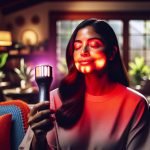 How red light therapy can transform your skin, body, mind
Target specific areas for treatment. Whether addressing skin concerns, pain relief, or overall wellness, focus therapy on those regions to encourage healing. You can incorporate entire body sessions but consider concentrating on the most affected areas to maximize benefits.
Track your progress over time. Many individuals see noticeable improvements within 4-6 weeks of consistent use. Be patient and monitor changes, as results can vary. Revisiting your routine and adjusting based on what works best for you enhances effectiveness.
Proceed with informed caution. Ensure you follow the specific treatment guidelines provided with your device to achieve the best results from RLT.
See also: Avoid these mistakes when incorporating red light therapy effectively
Understanding Red Light Therapy
Red light therapy (RLT) uses low-level wavelengths of light to promote various healing benefits. This non-invasive treatment has gained popularity for its applications in skin health and pain management.
What Is Red Light Therapy?
Red light therapy involves exposure to specific wavelengths between 630 and 700 nanometers. RLT stimulates cellular functions by penetrating the skin. Cell energy increases, leading to enhanced healing processes. This therapy is also known as photobiomodulation. Many people use it at home with devices designed for this purpose.
How Does It Work?
Red light therapy works by improving cellular metabolism and increasing adenosine triphosphate (ATP) production within cells. Higher ATP levels enhance cellular repair and regeneration. The light penetrates skin layers, encouraging collagen synthesis and reducing inflammation. These mechanisms contribute to the improved skin appearance and pain relief that many users experience.
See also: How red light therapy can help you achieve better sleep today
Benefits of Red Light Therapy
Red light therapy offers an array of potential benefits. Regular sessions may improve skin texture and tone, reduce fine lines, and alleviate joint pain. Clinical studies suggest that RLT helps with wound healing and can assist in managing chronic conditions. Minimal side effects enhance its appeal, making it suitable for frequent use.
Getting Started with Red Light Therapy
Begin your journey with red light therapy (RLT) by ensuring you select a device that suits your specific needs. Various options exist such as handheld units, panels, or full-body beds designed for different applications like skin health or pain relief.
Choosing the Right Device
Assess your goals when selecting a device for RLT. For skin improvement, a handheld device or panel provides targeted treatment for facial areas. If pain management or overall wellness is your aim, consider a larger unit that covers more surface area.
See also: Tips to get the most out of your red light therapy sessions
Research the wavelength specifications as wavelengths between 600-650 nm and 800-850 nm are most effective for cellular healing by red light. Evaluate different brands and read reviews to understand performance and durability. Finally, ensure that the device complies with safety standards for optimal use.
Setting Up Your Red Light Therapy Session
Creating the right environment for your RLT session enhances the experience and effectiveness. Factors such as lighting, temperature, and location all contribute to a successful treatment.
Ideal Locations for Treatment
Choose a quiet, private location for your red light therapy sessions. Areas with minimal distractions promote relaxation and focus on healing by RED light. Consider using a space like a bedroom or a dedicated wellness room. Ensure the area has adequate space for your device without obstruction. Position the device at the recommended distance for optimal exposure. Check the manufacturer guidelines for specific suggestions to maximize benefits from your sessions.
Tips for Creating a Comfortable Environment
Maintain a comfortable temperature during treatments. Warm but not too hot creates the ideal atmosphere. Soft, ambient lighting can enhance relaxation while the device emits RLT. Prepare some cozy blankets or pillows to improve comfort. Sitting or lying down in a comfortable position aids focus. Hydration is vital; keep water nearby to stay refreshed throughout your session. Adjust the volume of any background music or sounds to promote a tranquil setting, supporting the healing process.
How to Use Red Light Therapy
Using red light therapy effectively involves understanding the right protocols. Start by determining your treatment frequency. Aim for 5-7 sessions per week for the best results. Select a session duration between 5-20 minutes. Short sessions, particularly for beginners, may establish tolerance before extending treatment time.
Choose the appropriate device for your goals. Options include handheld units for targeted treatments or larger panels for full-body coverage. Ensure the wavelengths emitted fall within the 630-700 nm range, as this range is effective for skin benefits and healing.
Find a comfortable setting for your sessions. Soft lighting and a warm environment contribute to a relaxing experience. Listen to calming music or enjoy a tranquil space to enhance relaxation. Proper hydration can also support overall wellness during the treatment process. Adjust treatment plans based on personal responses to RLT and overall comfort.
Incorporating Red Light Therapy into Your Routine
Incorporating RLT into your daily routine enhances skin health and overall wellness. Finding the right time for your sessions can amplify the benefits.
Morning vs. Evening Sessions
Morning sessions often boost energy levels and set a positive tone for the day. Enjoying RLT in the morning invigorates your skin, helping you feel refreshed. Evening sessions provide relaxation and support wound healing by promoting cellular repair overnight. Choosing your preferred time depends on your individual schedule and desired effects. Experimenting with both may reveal which yields more benefits for your unique body and lifestyle.
Combining with Other Wellness Practices
Integrating red light therapy with other wellness practices enhances your overall experience. Pairing RLT with yoga or meditation can deepen relaxation and improve focus. Incorporating skin-care routines before or after your sessions maximizes benefits. Engaging in gentle exercise promotes better circulation, potentially enhancing the healing effects of red light therapy. Observing your body’s responses allows you to adjust practices for optimal wellness. Prioritizing consistency aids long-term results in your health routine.
Safety and Precautions
Understanding safety measures is crucial for anyone exploring red light therapy (RLT). Proper use minimizes risks and maximizes benefits.
Potential Side Effects
Typically, RLT is safe with minimal side effects. You might experience mild effects like skin redness, irritation, or temporary discomfort. These symptoms commonly resolve within a few hours. If you notice persistent side effects or unusual reactions, consult a healthcare professional. Individuals with specific skin conditions or sensitivities may encounter more pronounced effects. Always monitor your body’s response during sessions for a better experience.
Contraindications and Warnings
RLT is not suitable for everyone. Pregnant women should avoid direct exposure to treatment lights. Those with active skin infections or conditions like lupus should also refrain from using RLT until cleared by a doctor. People taking medications that cause photosensitivity can experience adverse effects, so consulting a healthcare provider before starting any RLT regimen is essential. Prioritize safety to ensure a beneficial experience from your healing by red light therapy.
Troubleshooting Common Issues
Red light therapy (RLT) can enhance your wellness experience. The following guidance helps address common issues encountered during sessions.
Device Not Turning On
Check the power source first. Ensure the device is connected securely to an outlet. Examine the power cord for damage or fraying. If the device features a power switch, confirm that it is in the on position. Contact customer support if issues persist. Testing another outlet can also rule out potential electrical problems. A fully charged battery may be necessary for portable devices.
Uneven Treatment Results
Observe your treatment routine. Consistency in session duration and frequency influences results. Adjusting the distance between your skin and the device can optimize light exposure over target areas. You may also consider varying the angle of the device to ensure even distribution of red light. Monitoring your body’s response helps in fine-tuning the process. Documenting progress assists in identifying patterns and areas needing attention.
Skin Reactions and How to Address Them
RLT is generally safe, but skin reactions can occur. If redness or irritation develops, reduce the session length. Avoid treating the same area consecutively without breaks. Adjust the distance between the skin and the device to mitigate discomfort. Also, using a moisturizer post-treatment may soothe the skin. Consult a healthcare professional if reactions persist or worsen.
Alternative Methods to Enhance Red Light Therapy
Enhancing red light therapy (RLT) involves integrating simple changes into your routine. Focusing on nutrition and complementary therapies boosts effectiveness.
Nutrition and Lifestyle Considerations
Incorporating a balanced diet amplifies the benefits of RLT. Nutrient-rich foods support cellular healing. Prioritize antioxidants found in fruits and vegetables. Regular hydration plays a crucial role in maintaining skin health. Engaging in physical activity also promotes circulation, enhancing the therapy’s impact. Factors like sleep and stress management further strengthen your body’s healing processes. Adopting these lifestyle habits allows you to maximize the advantages of healing by red light therapy.
Other Complementary Therapies
Integrating other therapies alongside RLT can enhance results. Techniques such as massage therapy promote relaxation and improve blood flow. Acupuncture may help in reducing chronic pain, complementing RLT’s benefits. Guided meditation and mindfulness practices lower stress levels, creating a conducive environment for healing. Adding these complementary therapies supports your overall health and well-being. Each method works synergistically with red light therapy, fostering a comprehensive approach to wellness.
Frequently Asked Questions
What is red light therapy?
Red light therapy is a non-invasive treatment that uses low-level light wavelengths to improve skin appearance, reduce pain, and enhance overall wellness. It works by stimulating cellular functions, increasing energy, and promoting healing processes in the body.
How does red light therapy benefit the skin?
Red light therapy improves skin appearance by boosting collagen production, reducing wrinkles, and promoting wound healing. The therapy enhances skin tone and texture, leading to a more youthful and healthier complexion.
Are there any side effects of red light therapy?
Generally, red light therapy is considered safe with minimal side effects. Some individuals may experience mild redness or irritation. It’s essential to follow safety guidelines and consult a healthcare professional if you’re concerned about specific conditions.
Can I enhance the effects of red light therapy?
Yes, you can enhance the effects of red light therapy by incorporating healthy nutrition, lifestyle changes, and complementary therapies like massage, acupuncture, and mindfulness practices. These additions can support overall health and optimize your therapy experience.
How often should I undergo red light therapy?
The frequency of red light therapy sessions depends on individual goals and conditions. Typically, sessions can range from two to five times a week. It’s best to consult a healthcare provider for personalized recommendations tailored to your needs.