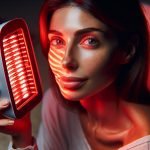
Understanding Red Light Therapy Masks
Understanding red light therapy masks is essential for getting the most out of your skincare routine. These devices, designed to deliver low-level wavelengths of light, target specific skin issues. RLT can stimulate cellular processes, improving collagen production and skin texture over time.
You should ensure you’re using your mask consistently. Most experts suggest a regimen of 5-7 times per week to see desired results. Skipping sessions may lead to less effective outcomes. Pay attention to the recommended duration for each use, as leaving the mask on longer than instructed won’t necessarily speed up results.
Familiarize yourself with the proper technique. It’s crucial to position the mask correctly on your face to maximize coverage. If the mask doesn’t cover all areas effectively, you could miss out on the healing benefits of RLT.
See also: Things to consider before investing in a red light therapy device now
Avoid using the mask on freshly applied products. This can interfere with the interaction between the light and your skin, potentially reducing its effectiveness. Make sure your skin is clean and free from heavy creams or makeup before use.
Finally, understand that results may vary. Red light therapy isn’t a one-size-fits-all solution, and it might take time to notice improvements. Individual factors, such as skin type and concerns, can influence the process. Embrace the journey and be patient with your skin’s healing through red light therapy.
Not Researching Effectiveness
Many people jump into using red light therapy masks without understanding their effectiveness. Taking the time to analyze research helps you appreciate the benefits and limitations of healing by RED.
See also: The best red light therapy devices for your home spa revealed
Ignoring Scientific Studies
Numerous scientific studies validate the effectiveness of red light therapy (RLT) for various skin concerns. Research highlights its role in reducing inflammation, promoting collagen production, and improving overall skin texture. Failing to review these studies can lead to unrealistic expectations about the results. Learning about the wavelengths used in RLT can also help you understand which masks are best suited for your needs. Make sure you find credible sources that provide peer-reviewed information to guide your choices.
Overlooking User Testimonials
User testimonials often reveal real-life experiences with red light therapy masks. Many people share valuable insights about their outcomes, including improvements in skin tone and reduction in wrinkles. You might discover themes in these testimonials that resonate with your situation. Checking online platforms or social media can give you a clearer picture of what to expect from RLT. Gathering diverse feedback can be instrumental in helping you make informed decisions about your skincare routine.
Misusing the Technology
Understanding the correct application of red light therapy (RLT) is essential for effectiveness. Misusing the technology can lead to subpar results or even skin irritation.
See also: 7 ways to tell if a RLT device is worth the investment today
Using Incorrect Frequency and Wavelength
Selecting the right frequency and wavelength for RLT is crucial. Each specific range targets different issues like inflammation or skin rejuvenation. A common mistake is using a device that isn’t designed for your needs. Many masks operate optimally at wavelengths between 600 to 650 nm for visible red light. You might not notice benefits if you choose a wavelength outside this range. Your results may vary significantly if the frequency isn’t suited to your skin type. Also, using devices that lack credible scientific backing can compromise your experience. Always ensure you’re following the manufacturer’s guidelines to fully harness the healing by RED technology.
Applying for Inadequate Duration
Applying red light therapy masks for too short a time limits their potential benefits. Many users underestimate how long they should wear the mask, leading to ineffective treatment. Most recommendations suggest sessions between 10 to 20 minutes, depending on the device. If you consistently cut your sessions short, you won’t see improvements as effectively. Avoid the urge to rush the process; patience is crucial in achieving desired results. On the flip side, overexposure can also cause skin sensitivity. Striking a balance in duration is key, so always follow usage instructions for optimal outcomes.
Neglecting Skin Preparation
Preparing your skin properly before using a red light therapy (RLT) mask can significantly enhance its effectiveness. Skipping steps can lead to less optimal results and even potential irritation.
See also: 5 main benefits of professional red light therapy beds
Skipping Cleansing Steps
Cleansing your skin is crucial before applying RLT. Dirt, oil, and makeup can block the light’s penetration, reducing its therapeutic effects. Clean skin allows the healing properties of red light to reach deeper layers, promoting better absorption. Always use a gentle cleanser that suits your skin type to avoid irritation. After cleansing, pat your skin dry, allowing it to remain fresh and ready for the therapy session. This simple step can maximize the benefits of your red light therapy mask, ensuring your skin gets the most out of the treatment.
Failing to Moisturize Before Use
Moisturizing before using a red light therapy mask plays an important role in your skin’s overall health. Hydrated skin absorbs RLT more effectively, allowing its natural healing properties to work wonders. Choose a lightweight moisturizer that won’t clog your pores. Applying it ensures your skin doesn’t dry out during the therapy session. Consider using a product with ingredients known for their hydrating benefits, like hyaluronic acid. This preparation step can also help reduce the risk of irritation, contributing to a better overall experience with red light therapy.
Setting Unrealistic Expectations
Setting achievable goals with red light therapy (RLT) is essential for enjoying its benefits. Misunderstanding the timeframe for results can lead to frustration.
Expecting Instant Results
Many people expect immediate improvements from using red light therapy masks. It’s important to recognize that noticeable changes might take time. While some users may experience a boost in skin hydration or brightness after the first session, deeper benefits typically emerge with consistent use. Studies show it usually takes four to six weeks of regular sessions to see significant effects like collagen production and reduced inflammation. Patience is key, so don’t be discouraged if results aren’t instant.
Mistaking Redness for Effectiveness
A common misconception is that seeing redness means the treatment is working. Increased blood flow can occur during red light therapy, but it doesn’t always correlate with actual healing by RED. This temporary redness may mislead you into thinking the session was effective. Focus instead on long-term skin changes rather than just immediate reactions. Document your journey to track improvements over time, and remain mindful that everyone’s experience with RLT varies.
Disregarding Safety Precautions
You might underestimate the importance of safety precautions when using red light therapy (RLT) masks. Neglecting these precautions can lead to unwanted side effects or reduced efficacy.
Not Considering Eye Protection
You should always prioritize eye protection when engaging in RLT. Direct exposure to red light can potentially cause discomfort or damage to your eyes. Wearing goggles specifically designed for light therapy helps shield your eyes from high-intensity light. It’s crucial to maintain a safe distance from the mask as you undergo treatment. Also, keeping your eyes closed or shielded when the light is on prevents unnecessary strain. Ignoring these basic safety measures risks interrupting your healing by RED experiences and might deter you from reaping the full benefits of the therapy.
Overusing the Device
You might think that more exposure to your red light therapy mask yields better results, but overusing the device can backfire. Typically, sessions lasting between 10 to 20 minutes are effective for most users. Staying within this limit helps prevent skin irritation and allows your body to absorb the light more effectively. Using the mask too frequently can lead to diminishing returns, and in some cases, irritation might develop instead of healing. It’s wise to follow manufacturer guidelines along with suggested routines. Adhering to a well-structured schedule will maximize your benefits while avoiding excesses that could hinder your progress.
Conclusion
Avoiding common mistakes with red light therapy masks can significantly enhance your skincare routine. By understanding the importance of proper skin preparation and setting realistic expectations you can maximize the benefits of your treatments. Remember to prioritize safety measures like eye protection and adhere to recommended usage times to prevent irritation. With patience and consistency you’ll be well on your way to achieving healthier and more radiant skin. Embrace the journey and enjoy the process of discovering how red light therapy can transform your skincare experience.